Second attempt & notes
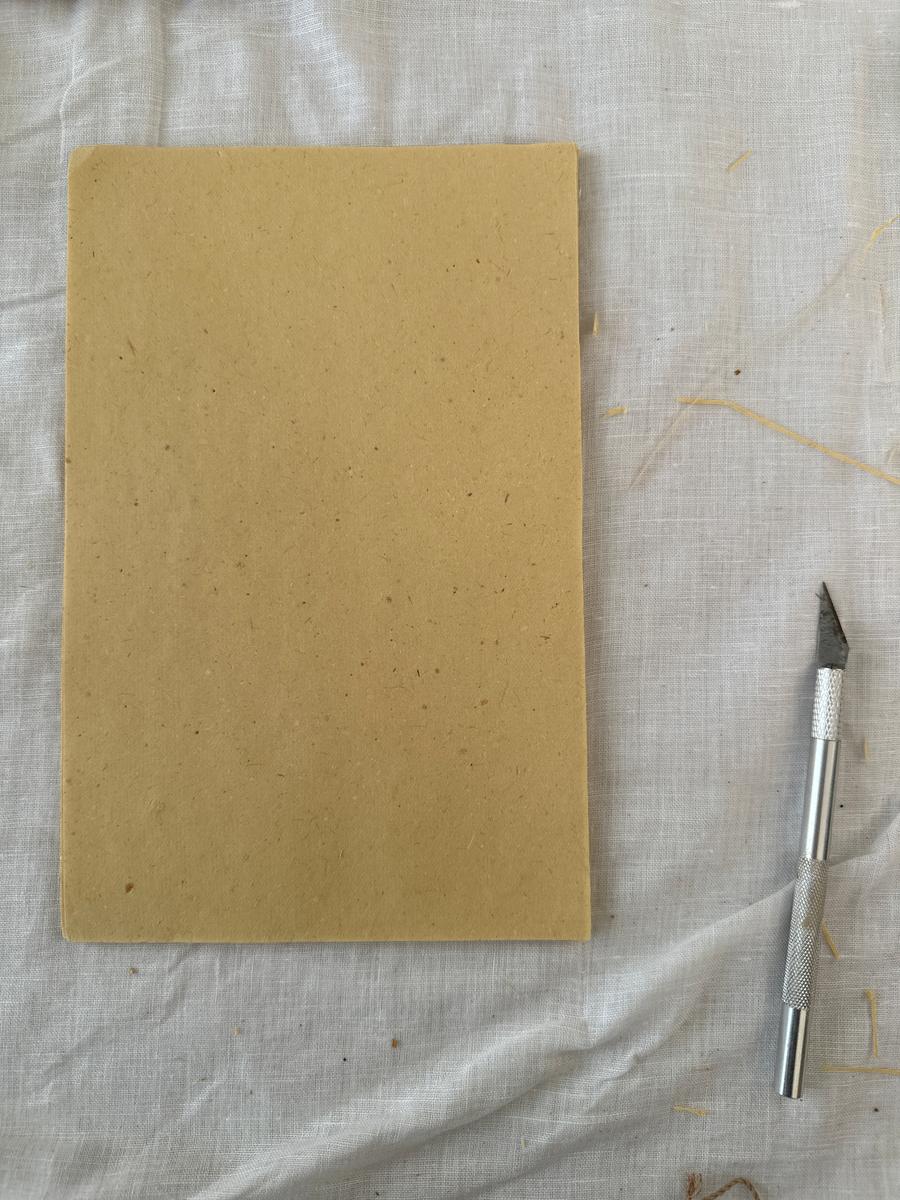
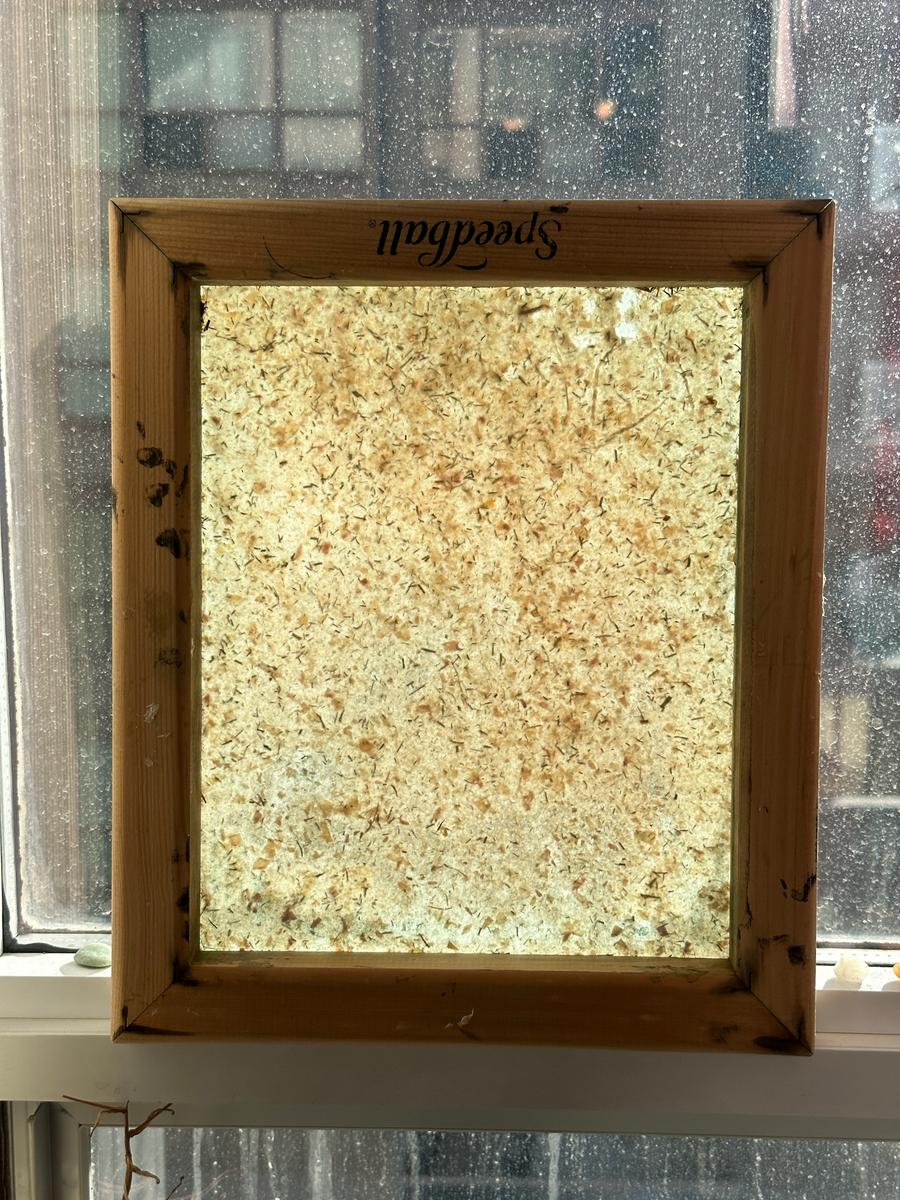
Made two batches this time; the first one with thicker paper pulp mixed with phragmites and the other, boiled with golden rod to give it a "golden" color.
Quick ecology lesson: Phragmites australis, Phragmites, pronounced “frag-my-tees” is a wetland grass native to Eurasia,sources conclude that it was probably introduced accidentally to North America in ballast material sometime during the late 1700s or early 1800s, and since then, it has completely taken over the Canadian wetlands, destroying habitats, and rapidly decreasing biodiversity. Today, phragmites is listed as one of the "worst" (hardest to control) invasive plants in the nation. There are incredible people working very hard on the "front lines" all over Ontario helping to control the eager grass so that the native plants and animals who once thrived in wetland spaces do so yet again.
I've been thinking about invasive plants and how we can re-situate our behavior, language and ontology towards them. In stewarding circles, when the "names" of invasive plants are brought up, they are often "booed" or looked upon with disdain; likely because our work essentially involves exterminating them from environments in which we believe they never belonged in the first place.
click here to read more about this
To practice this new way of being, It felt right to include the otherwise disposed of plant specimen as part of my practice as a designer. A friend of mine Elena Kirby From July 2nd to August 16th 2025, along with a few others, was part of a residency at the plumb in Toronto, working with invasive plant matter to make paper. Elena and I discussed revitalizing these plants and working with them rather than "against them" and how this process of paper making has helped us em-body exactly that. We also discussed what it means to make our own tools for such tasks.
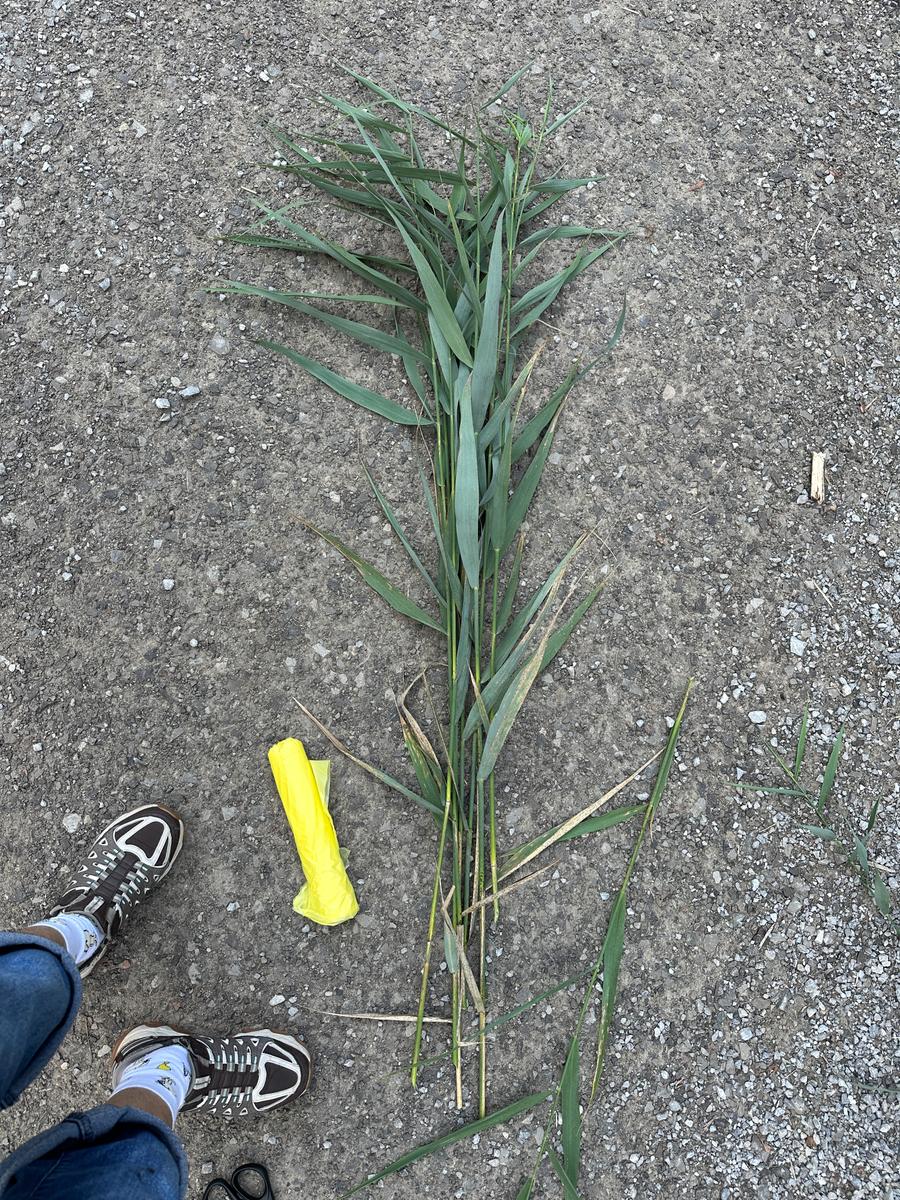
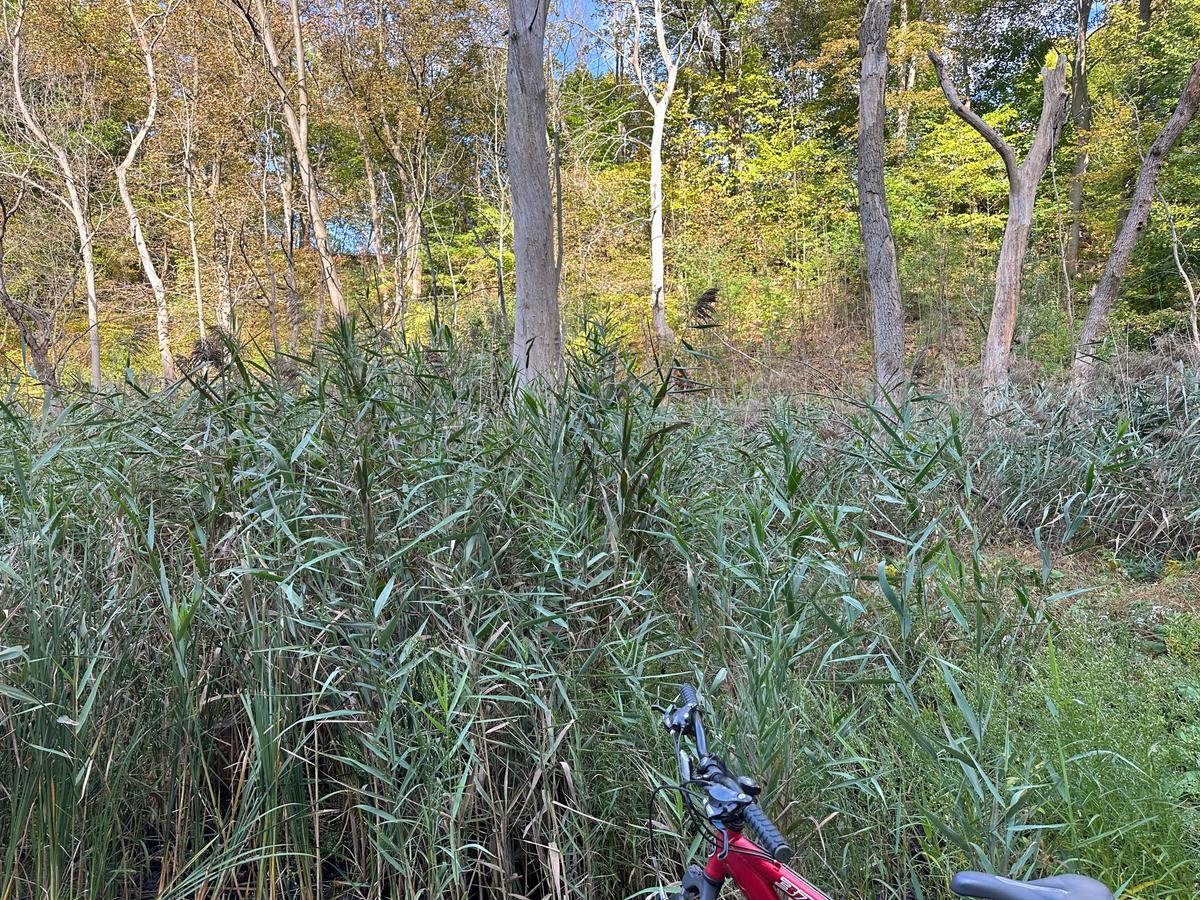
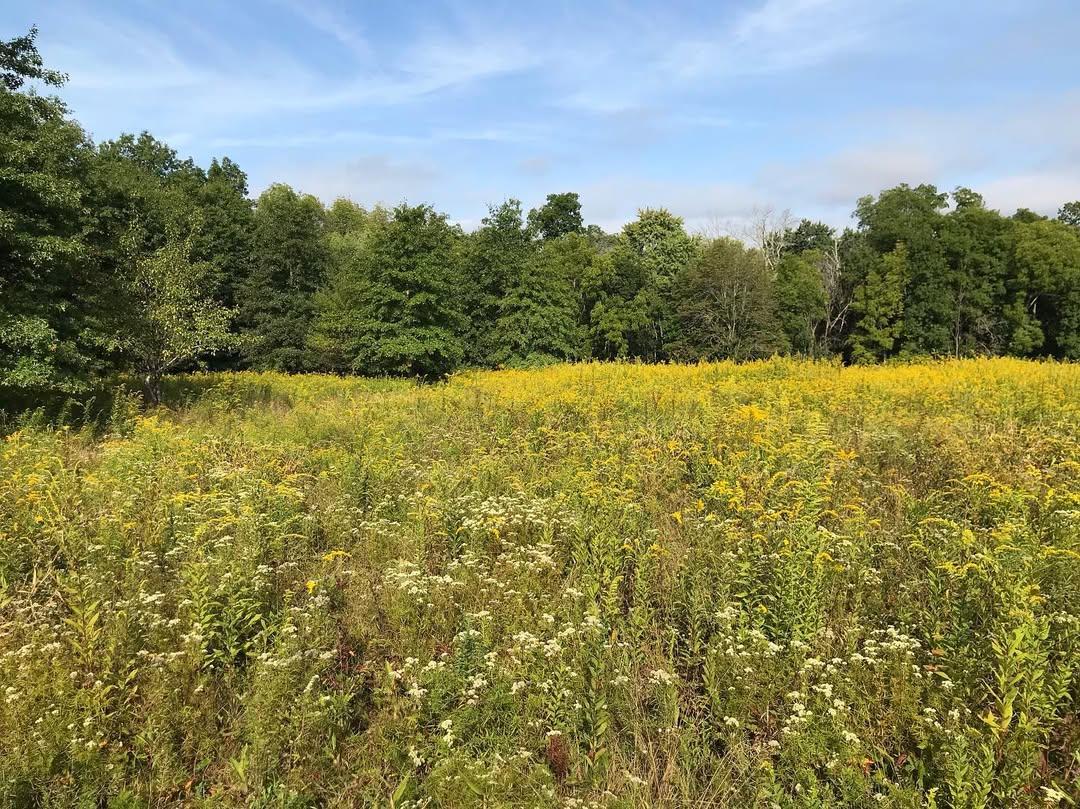
Conventionally, phragmites stems as opposed to leaves are used for paper-making because leaves are quite difficult to break-down. However, with a lot of patience and some washing soda, I was able to get them somewhat soft over 2 hours simmering on medium heat, soaked them in water for 2 days.
It wasn't until later when I spoke to Elena that I found out, stems are much simpler to work with, and this is what they used for their Tunnel Mound comeback show in August of 2025
Notes on Tool-making/Tool-gathering
It's not a long shot to claim that paper making is a dying art; OCAD University (an art school) does not have a mould and deckle for loan for it's students and the only reference I was able to get for purchasing one was too far of a commute. That's not to say there isn't any interest in papermaking. Paperhouse Studio is a space in Toronto entirely dedicated to the alchemy of papermaking,and many other artists in Toronto practice it in their own spaces. In many cases however, tools are a precarious subject; leading many paper makers to also become toolmakers.
To make my mould and deckle, I simply followed the countless YouTube tutorials suggesting using old frames from Value Village, and stapling a screen to them. The finer the screen, the less imprint it will leave on the paper.
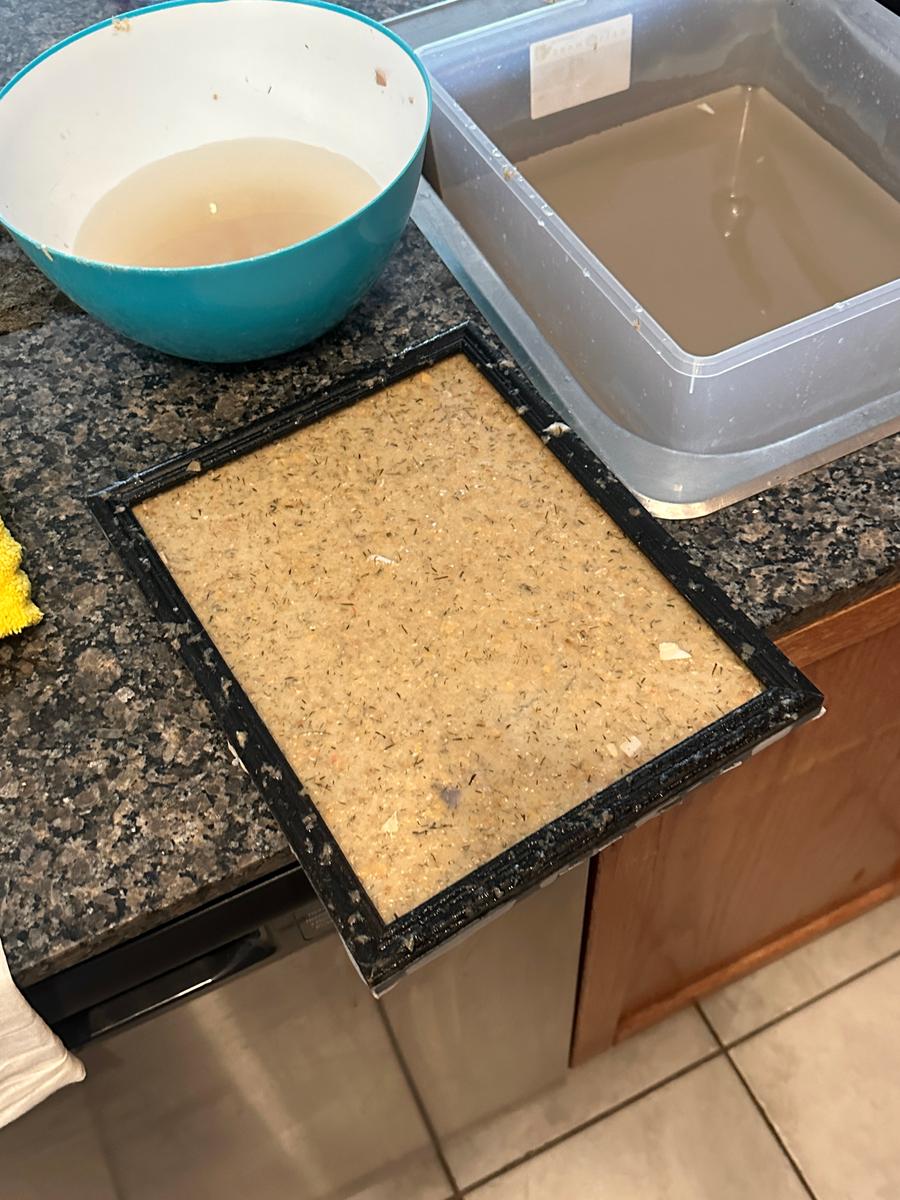
The blender; also sourced from Value Village, will be used to chop down plant fibers and paper scraps which will them be mixed with water to form the pulp body.
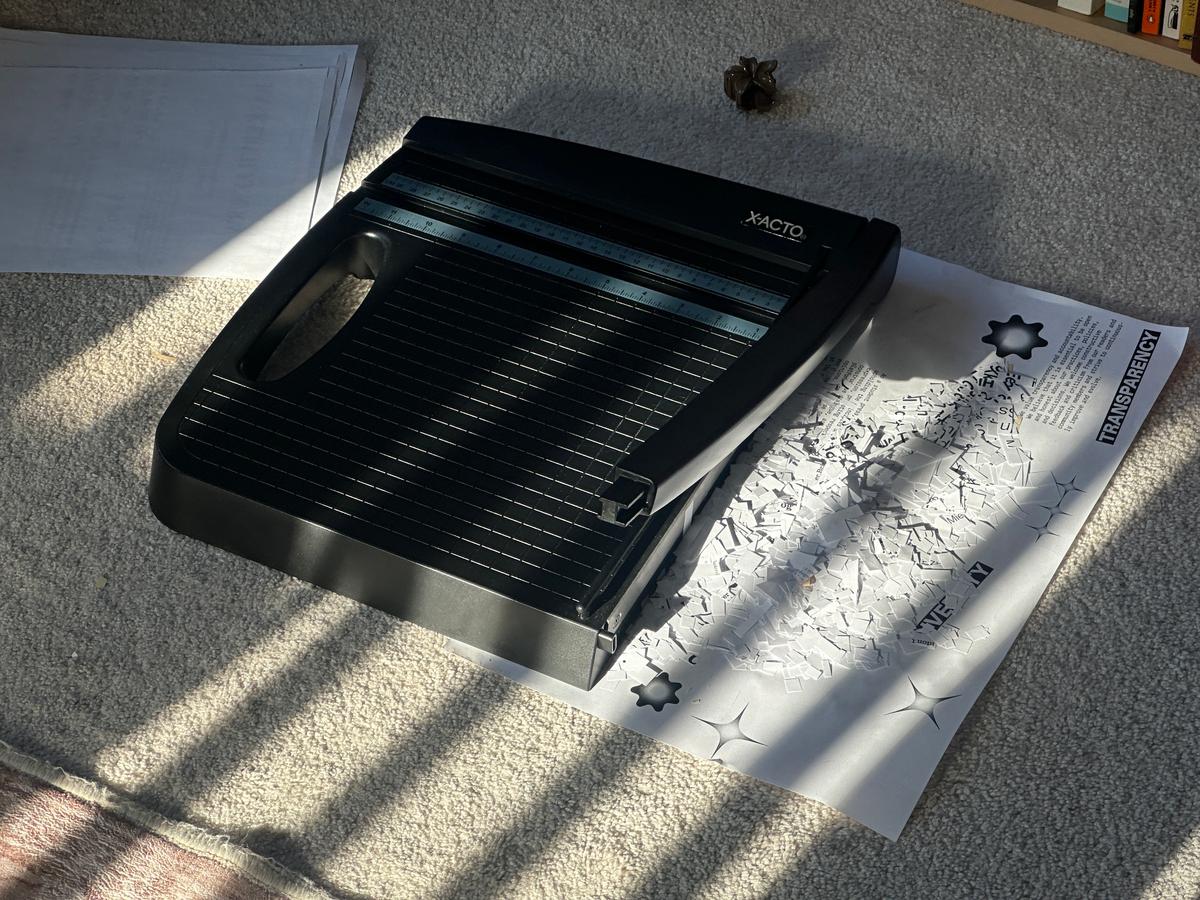
The scrap paper; remnants of my process work from my first and second year of design school. Obliterated and transfigured onto a screen to be used as paper anew.